How to Use a Backlink Generator and Builder to Increase Site Authority
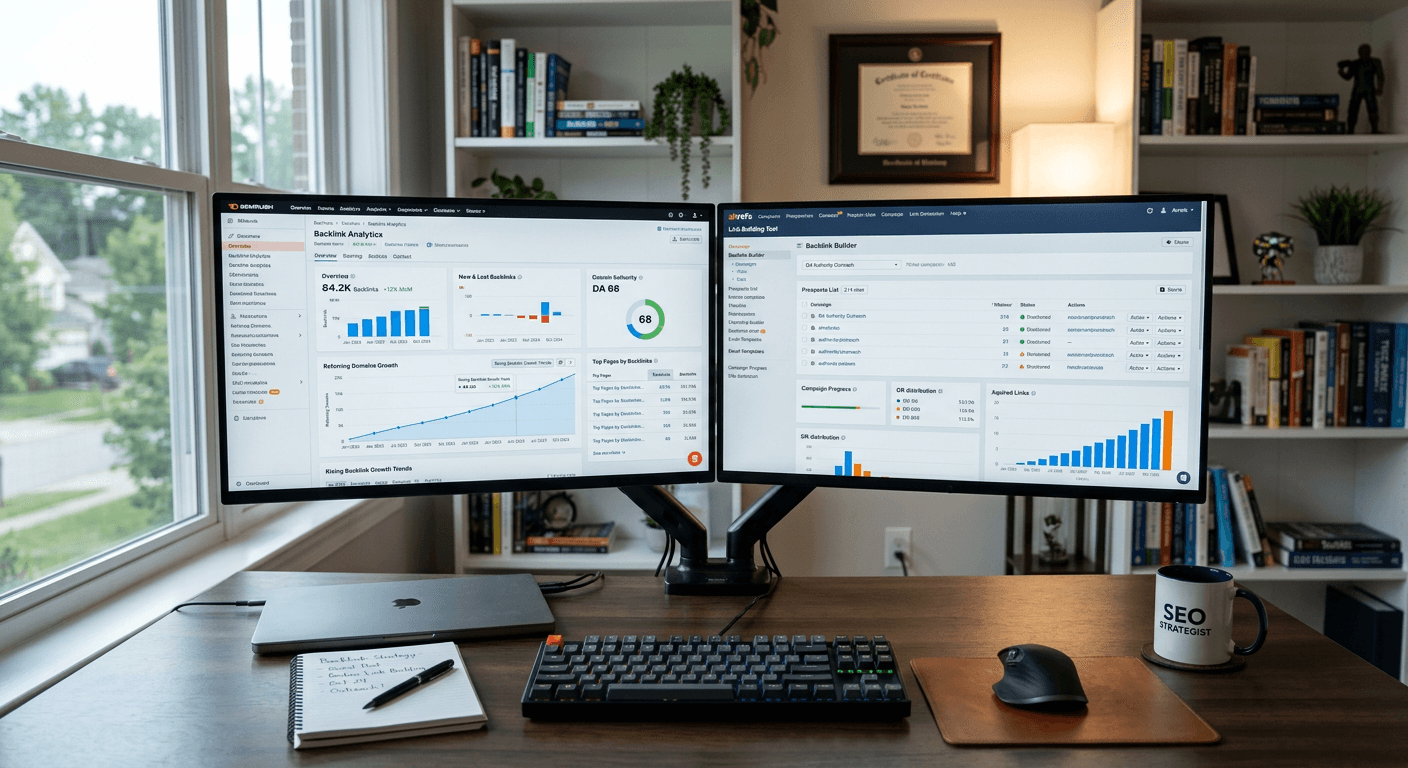
Building a robust link profile is the cornerstone of search engine optimization, as these digital citations signal credibility and relevance to crawling algorithms. When you utilize a backlink generator or a strategic backlink builder, you are essentially accelerating the process of off-page optimization by identifying potential avenues for acquisition. However, the efficacy of these tools relies heavily on the quality of the targets they identify rather than the sheer volume of links produced, making a systematic approach essential for long-term growth.
Quick Summary {#quick-summary}
Using a backlink generator and builder involves automating the discovery of high-authority websites relevant to your niche to facilitate strategic outreach and content placement. This process shifts link building from manual, time-consuming prospecting to a data-driven workflow that prioritizes domain authority and topical alignment to improve search rankings.
- Identify relevant websites using specialized software.
- Vet targets for authority metrics and spam scores.
- Execute personalized outreach to secure placement.
- Monitor backlink health and indexed status regularly.
Table of Contents {#table-of-contents}
- Quick Summary
- Understanding Backlink Mechanics
- Selecting a Backlink Builder Tool
- Step-by-Step Implementation Strategy
- Common Pitfalls and Troubleshooting
- Frequently Asked Questions
- Recommended Reads

Understanding Backlink Mechanics {#understanding-backlink-mechanics}
At their core, backlinks act as trust signals that search engines use to calculate the authority of a web page. A backlink generator streamlines the identification phase, pulling lists of URLs that have previously linked to content similar to yours or sites that occupy the same search result pages. By understanding how these tools aggregate data, you can better interpret which opportunities are worth pursuing and which are simply digital noise that provides no SEO benefit.
Mechanically, a high-quality link passess "link equity" or PageRank. When you leverage a professional SEO service to assist in this process, you are focusing on links from sites with high domain trust rather than just high domain rating. The goal is to cultivate a natural-looking link profile that features a diverse mix of referral sources, including industry blogs, news sites, and educational domains, to avoid triggering spam detection filters.
Selecting a Backlink Builder Tool {#selecting-a-backlink-builder-tool}
Choosing the right software requires an analysis of your specific operational needs. A basic backlink generator might simply crawl the web for public pages, while a sophisticated backlink builder offers integrated email outreach, CRM features, and competitor analysis dashboards. You must decide whether you need a comprehensive suite that manages the entire lifecycle of a link or a specialized tool that excels at finding specific backlink opportunities like broken links or guest post placements.
When evaluating tools, prioritize those that integrate up-to-date crawling indexes. If a tool uses outdated data, you risk spending hours outreaching to websites that have deleted pages or have been penalized by search engines. Always look for metrics such as organic traffic estimates and site activity levels, as these are better indicators of a site's health than traditional domain metrics, which can often be manipulated by artificial link farms.
Step-by-Step Implementation Strategy {#step-by-step-implementation-strategy}
- Define your target keywords and audience: Before starting, identify the specific pages you want to rank. A backlink builder is useless if the links you acquire point to irrelevant content.
- Configure your generator settings: Input your competitors' URLs into your chosen tool. Filter results to prioritize sites with high organic traffic and a low percentage of outbound links to keep your link acquisition profile clean.
- Conduct a link audit: Analyze the output from the generator. Look for "low-hanging fruit," such as resource pages where your content could add value, or sites that have already linked to your competitors but not yet to you.
- Execute personalized outreach: Do not use generic templates. Reference the specific piece of content you found on the target site and explain why linking to your resource provides additional value to their readers. If you struggle with the technical nuances of this outreach, you can consult professional link building resources for guidance on conversion rates.
- Track and verify: Use your tool to ensure the links go live. Regularly monitor these links to ensure they remain "dofollow" and that the destination site remains active.
Pro Tip: Focus on the "content-to-link" ratio of your target pages. If a page has 500 outbound links, the value passed to your site will be negligible compared to a page with only 5 to 10 highly relevant links.
Common Pitfalls and Troubleshooting {#common-pitfalls-and-troubleshooting}
One of the most frequent mistakes is aggressive link velocity. If a new site suddenly gains hundreds of backlinks in a single week, search engines will likely flag this as inorganic, leading to manual actions or ranking suppression. Maintain a steady, consistent growth pattern that mirrors the organic growth of a genuine brand.
Another pitfall is ignoring the relevancy of the source site. A link from a high-authority site in a completely unrelated industry is less effective than a link from a niche-specific blog with lower metrics. If your links are not moving the needle, re-evaluate your target list to ensure you are focusing on topically relevant domains where your audience actually spends their time.
Frequently Asked Questions {#frequently-asked-questions}
- How long does it take to see results from backlink building? Typically, it takes 3 to 6 months to see significant movement in rankings, as search engines need time to crawl, index, and recalculate the trust scores of your pages.
- Are automated link generators safe to use? They are safe as long as they are used for discovery and prospecting. Using them to automatically inject spammy links into low-quality forums or comment sections is dangerous and discouraged.
- What is the difference between a 'dofollow' and 'nofollow' link? A 'dofollow' link passes authority and helps with search rankings, whereas a 'nofollow' link instructs search engines not to count that link for ranking purposes, though they still provide referral traffic.
- Should I buy backlinks to speed up the process? No, buying backlinks from private blog networks (PBNs) or link farms is a violation of search engine guidelines and poses a high risk of getting your site penalized or de-indexed.