5 Best Link in Bio Tool for Creators to Organize Social Media Traffic in 2026
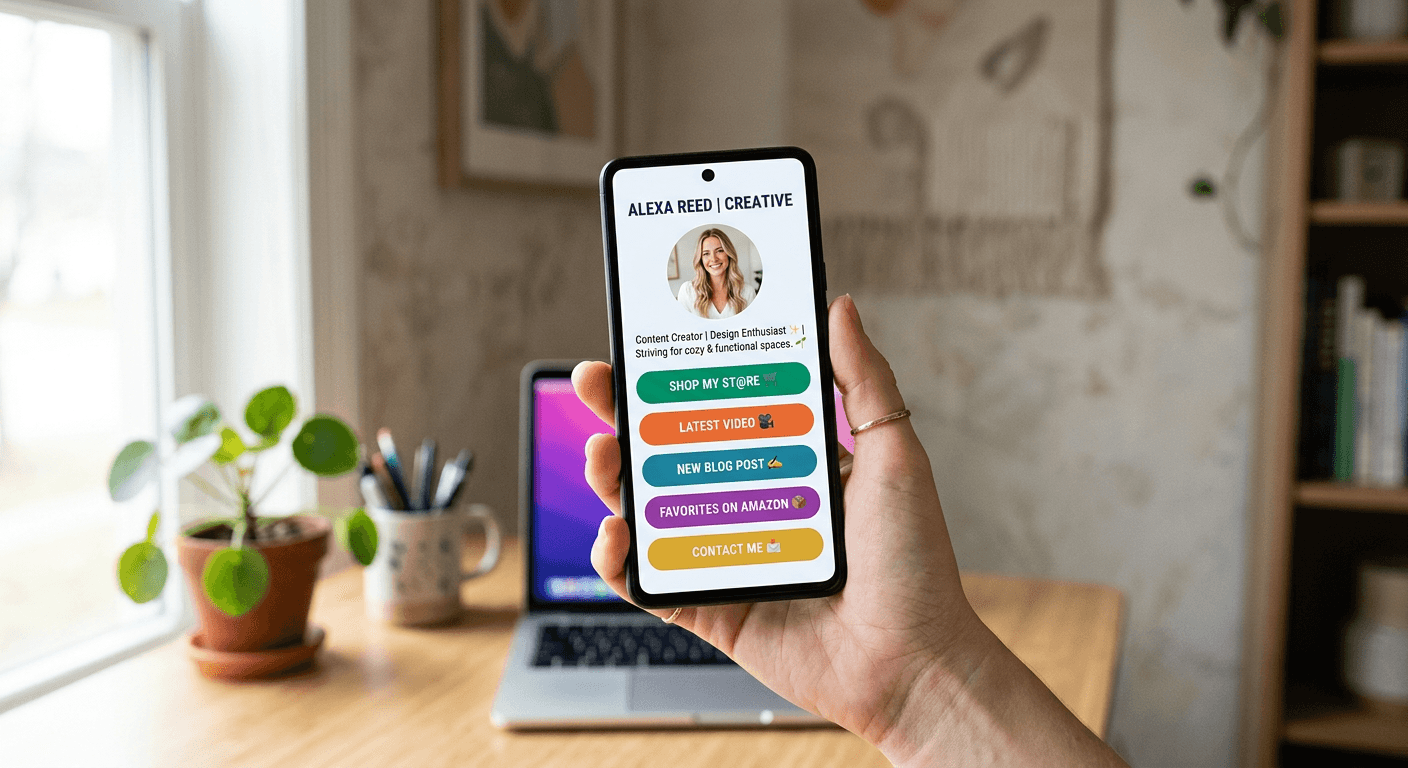
For modern content creators and digital professionals, the "link in bio" space is the primary gateway between social media engagement and actionable traffic. Since most platforms restrict users to a single URL, selecting the right aggregator is essential for funneling followers toward portfolios, storefronts, or contact pages. These platforms act as a bridge, transforming a static bio into a dynamic, clickable directory of your digital ecosystem.

Quick Summary
A link in bio tool for creators serves as a centralized, mobile-optimized landing page that aggregates multiple URLs into one accessible profile link. These services solve the single-link limitation on social media, enabling better conversion tracking, organized branding, and streamlined traffic management for influencers, businesses, and freelancers.
- Increases conversion by reducing friction in user navigation.
- Provides essential analytics to track audience engagement.
- Offers branding customization to maintain a cohesive digital identity.
- Enables direct monetization through integrated digital stores or product links.
Table of Contents
- Linktree
- Beacons
- Stan Store
- Lnk.Bio
- Carrd
- Buying Guide: Choosing the Right Platform
- FAQ
- Recommended Reads
Linktree
Linktree is one of the most widely recognized solutions for organizing social media traffic. It focuses on simplicity, providing a straightforward interface where users can add an unlimited number of links to a single, clean landing page. It is frequently the default choice for those searching for a Linktree for Instagram bio setup, offering rapid deployment for creators who need to list various destinations like blogs, affiliate offers, or collaboration forms.
- Pros: Extremely easy to set up; widely recognized by audiences; consistent mobile performance.
- Cons: Limited advanced design customization on free tiers; core features often gated behind premium subscriptions.
Beacons
Beacons distinguishes itself by leaning into the needs of the creator economy. Beyond simple link aggregation, it incorporates modules for monetization, including media kits and email collection tools. It is designed for those who want their link-in-bio page to function as a business hub rather than just a list of URLs.
- Pros: Built-in monetization features; user-friendly drag-and-drop interface; strong creator-centric ecosystem.
- Cons: Steeper learning curve due to the variety of integrated tools; might be overkill for simple link-only requirements.
Stan Store
Stan Store is explicitly tailored for commerce. Unlike platforms that focus primarily on linking out to external sites, this tool allows creators to sell digital products, host courses, and book appointments directly within the bio landing page. It effectively creates a micro-storefront inside the social app.
- Pros: Excellent for selling digital assets; high conversion focus; minimizes the number of clicks required for a customer to complete a purchase.
- Cons: Specialized for commerce rather than general link curation; potentially higher cost barriers compared to basic link aggregators.
Lnk.Bio {#lnk.bio}
Lnk.Bio offers a web-based, streamlined approach to creating a landing page. It provides a simple environment where users can quickly add social links, music streams, or custom content. It is known for a minimalist aesthetic that places the focus entirely on the links provided.
- Pros: Fast loading times; simple, clean user interface; easy to manage without complex design skills.
- Cons: Fewer advanced marketing integrations compared to creator-heavy platforms; more basic aesthetic options.
Carrd
Carrd is a versatile website builder that specializes in one-page sites. While not exclusively a link-in-bio tool, many creators use it to build highly custom, visually stunning landing pages that function as more sophisticated versions of standard link hubs. It gives the user complete control over the layout and design elements.
- Pros: High level of design freedom; responsive, professional templates; scalable for more complex needs.
- Cons: Requires more effort to design compared to dedicated link-in-bio builders; does not have native "link-first" presets.
Buying Guide: Choosing the Right Platform
When evaluating which tool suits your workflow, consider your primary goal. If you are focused solely on content discovery and traffic distribution, a simple link-management tool is sufficient. However, if your objective is to monetize your audience, you should prioritize platforms that support native checkouts and digital product hosting.
Assess the level of technical maintenance you are willing to undertake. Some tools offer "set it and forget it" simplicity, while others require design choices that can take hours to perfect. Finally, look at the analytics dashboard; understanding where your traffic originates and which links generate the highest click-through rate is critical for optimizing your growth strategy over time.
FAQ
Do I need a custom domain for my link-in-bio page? It is not required, but it is often recommended for branding. Many platforms allow you to connect a custom domain to replace their default branded URL, which creates a more professional appearance for your audience.
Can I track which links are most popular? Most modern platforms offer basic click tracking. Premium tiers usually provide more granular data, such as unique visitors, geographic location of traffic, and specific referral sources.
Are these tools mobile-friendly? Yes. Every platform listed is designed primarily for mobile browsing, ensuring that your links are large, clear, and easy to tap for users on smartphones.